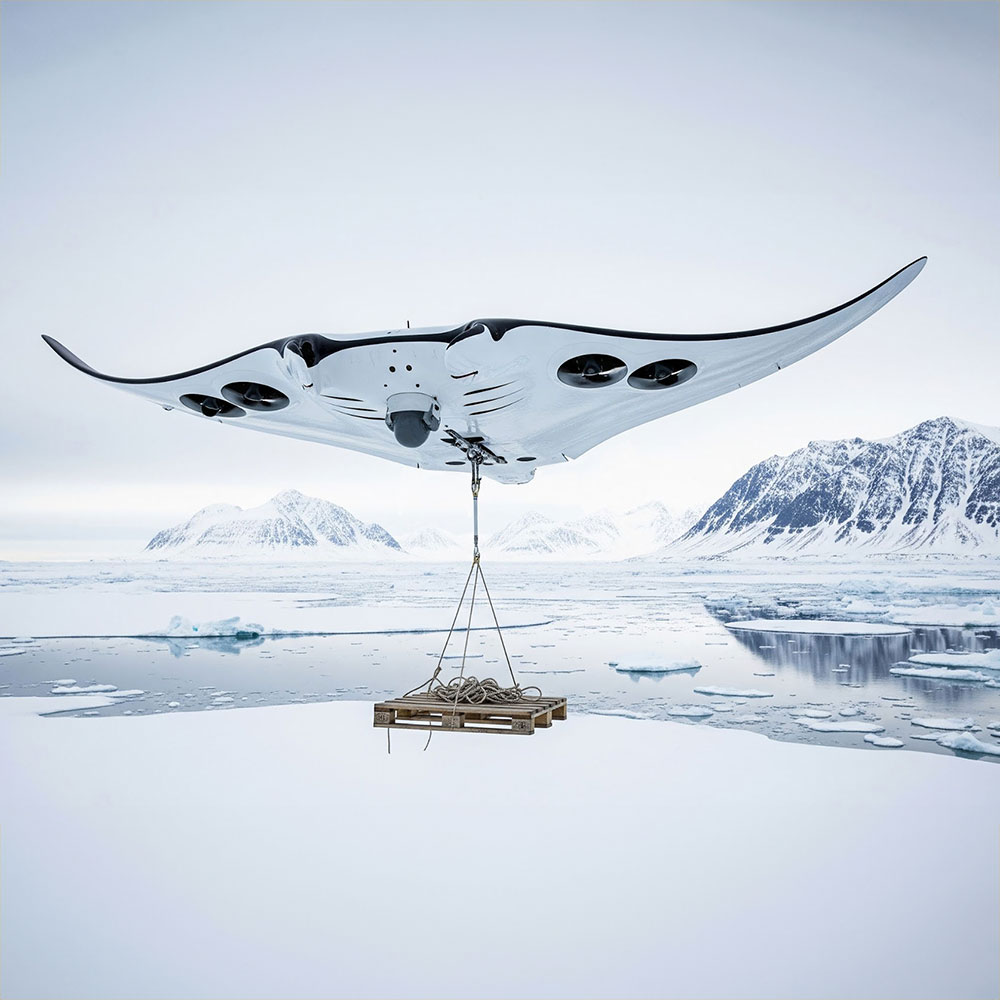
There are places emergency services can't reach in time. WHIPPET was built for them.
The problem isn't will. It's infrastructure. A community is cut off by flooding. A rural hospital needs blood within the hour. A patient is stable, but only if the supply chain holds.
Conventional transport fails at exactly these moments. Roads wash out. Helicopters are grounded. Traditional fixed-wing aircraft need runways that don't exist. The gap between what's needed and what arrives has always been accepted as unavoidable.
WHIPPET closes that gap.
WHIPPET launches vertically from wherever you are. A clearing, a rooftop, a ship's deck. No runway, no ground crew, no infrastructure. Once airborne, it transitions to forward flight with the efficiency of a fixed-wing aircraft, covering distances that conventional drones can't reach.
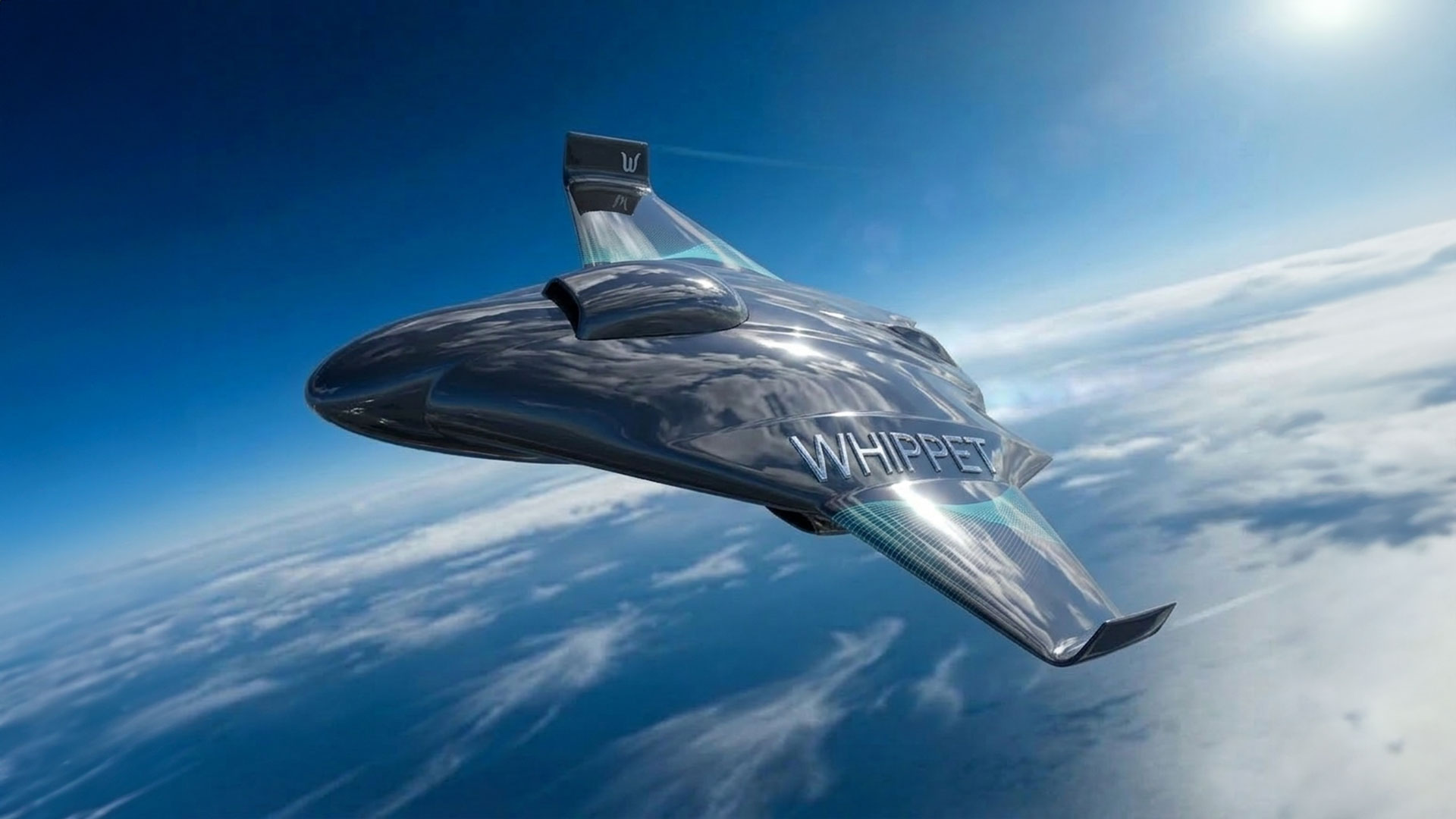
The blended-wing-body airframe isn't a modification. It was designed from scratch to do exactly this, efficiently, reliably, and under conditions where failure isn't acceptable.
The payload bay is built into the wing structure rather than being underslung. That means a cleaner aerodynamic profile, better weight distribution, and a 4 kg capacity that's usable across mission types. Blood product. Medication. Diagnostic equipment. The bay is designed to carry what matters, on the timeline that matters.
Zero conventional control surfaces means fewer mechanical components that can degrade, ice over, or fail in the field. Vectored thrust handles the full flight envelope, from vertical takeoff through cruise to precision landing, without the complexity that grounds other systems.
In emergency medical operations, reliability isn't a performance metric. It's the entire value proposition. WHIPPET is engineered around that requirement.

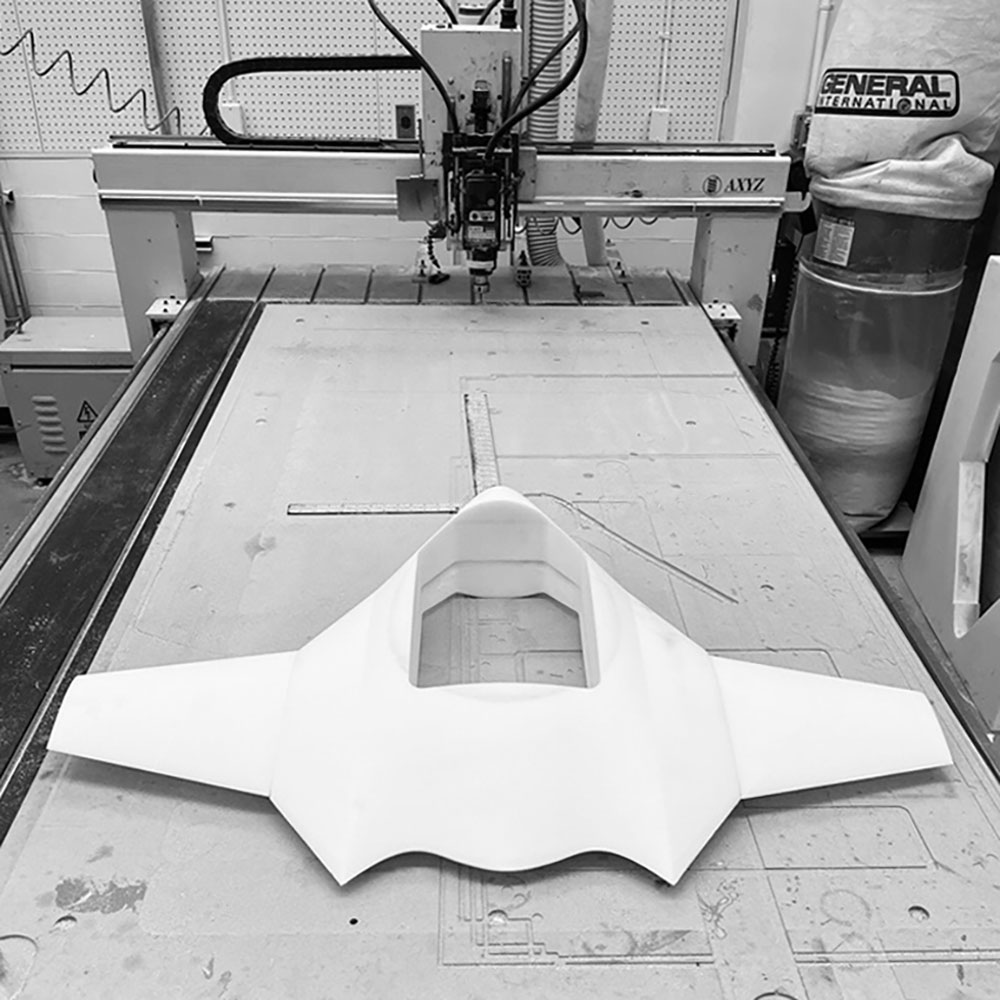
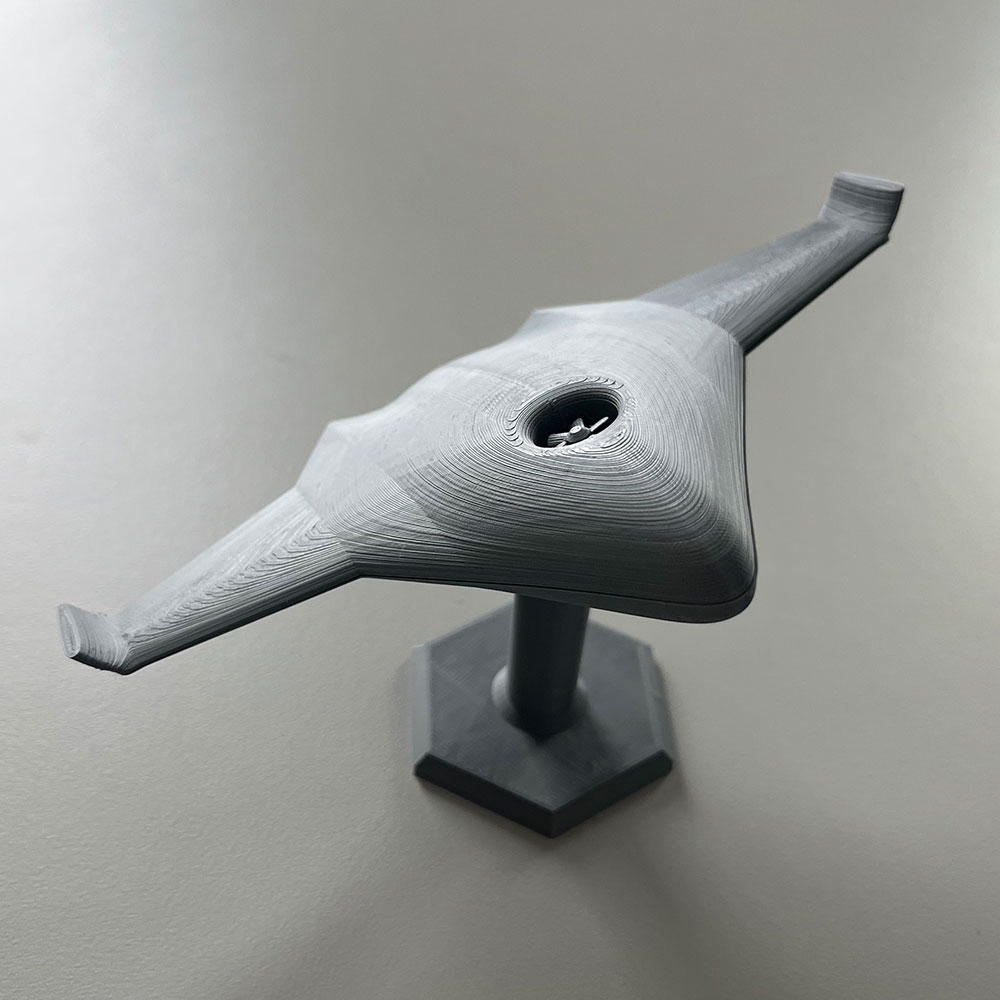
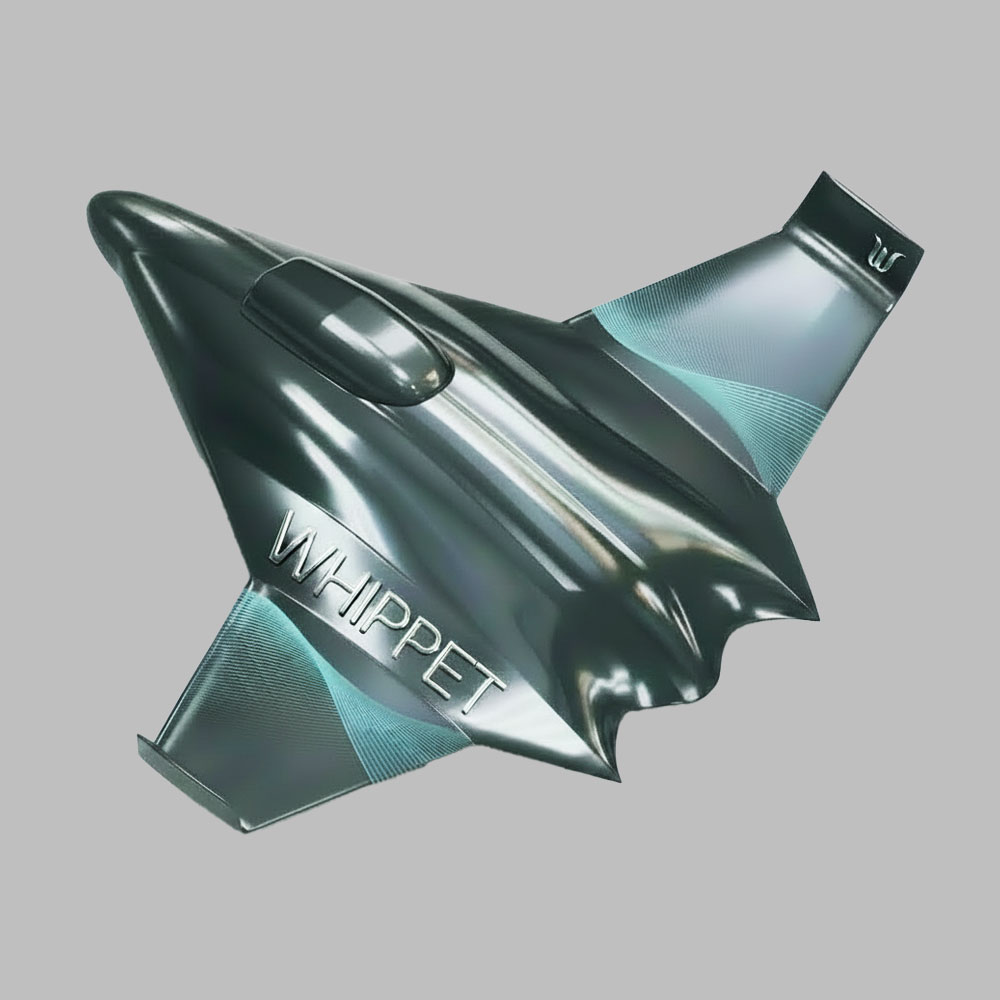
WHIPPET sits in the sub-25 kg class, giving operators a clear regulatory pathway under Canadian RPAS regulations, without the certification overhead of manned-aircraft airworthiness standards. The airframe is built. The propulsion system is tested. First flight is scheduled for 2026.
PULSHN designs and develops the aircraft. Manufacturing partners scale production. The result is a system that reaches further, costs less to operate, and requires less infrastructure than any alternative in its class.
WHIPPET is designed for emergency medical responders, logistics operators, and maritime teams who need reliable, long-range uncrewed delivery in environments where conventional transport stops. We’re currently working with early partners on deployment planning and integration – if you’d like to join the conversation, let’s talk.